The Mirage of Zero-Cost Innovation Open source software (OSS) has revolutionized the tech stack, offering a gateway to rapid innovation without the prohibitive entry costs of proprietary licensing. For startups and small-scale projects, the allure is undeniable: However, as a project transitions from a pilot phase to an enterprise-wide deployment, a hidden financial reality emerges:
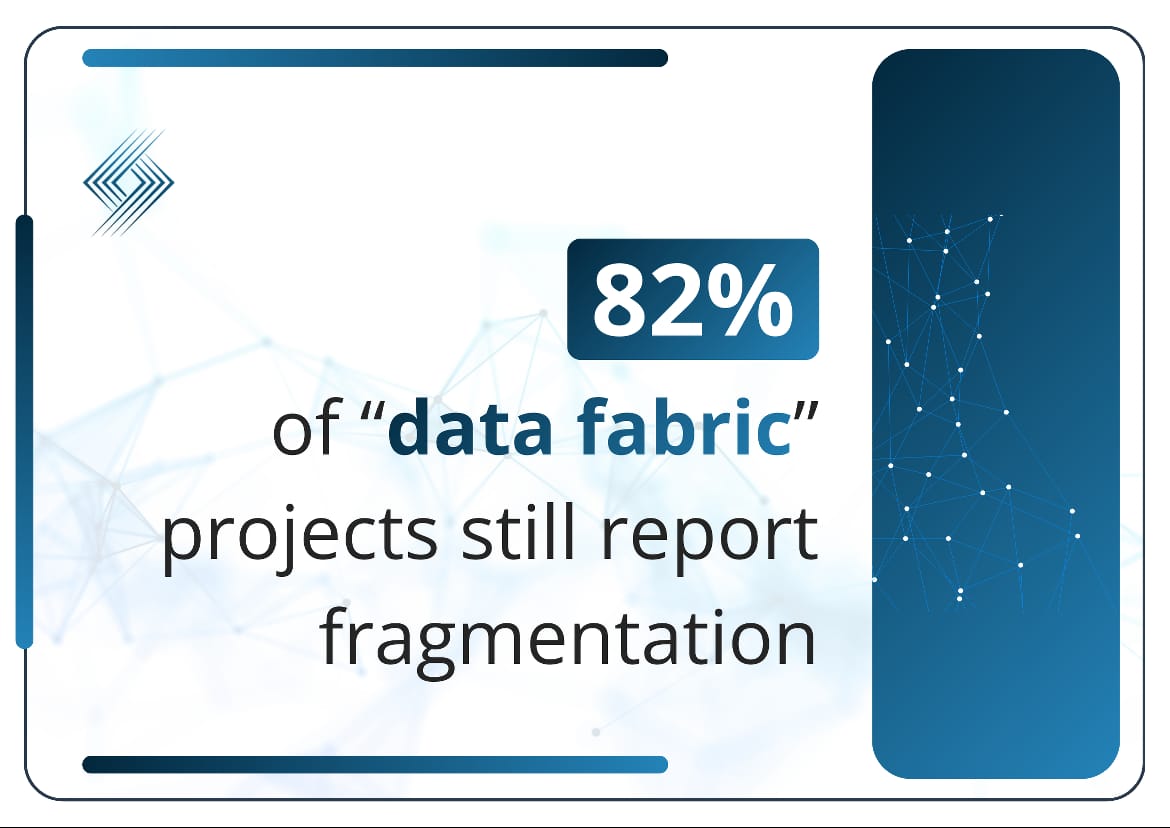
The Vision vs. The Reality The Data Fabric architecture emerged as the definitive solution for the modern enterprise-a promise to weave together disparate data sources into a cohesive, intelligent, and governed ecosystem. By abstracting the complexity of data movement, a successful fabric should theoretically offer: However, the reality is stark: 82% of organizations still report
The Hidden Danger: When Data Becomes a Liability In the modern financial landscape, data is often called “the new oil,” but as one Fortune 500 insurer discovered, contaminated data can lead to an expensive explosion. The firm recently incurred a staggering $50 million loss-not through a cyberattack or a market crash, but through the silent
For a global, digital-first giant like Uber, cloud infrastructure is not merely a backend upgrade-it is the central nervous system of a hyper-connected, real-time ecosystem. Uber’s operational model demands absolute high availability; its platforms must facilitate seamless, millisecond-level interactions for ride matching, dynamic surge pricing, secure payment processing, and constant driver-partner synchronization. Because Uber serves
A key component of high-quality care is now the patient experience. Patients who are content are more likely to adhere to treatment regimens, come back for follow-ups, and refer others to your facility. However, how can hospitals accurately assess and forecast patient experience? Data-driven healthcare measurements hold the key to the solution. The following seven
Operations in the healthcare industry are complicated. Every day, hospitals deal with a massive amount of data, including billing, lab results, staff scheduling, and patient admissions. This complexity frequently results in chaos—delays, inefficiencies, mistakes, and irate employees—without adequate analytics. However, the narrative completely shifts when data are used effectively. The Disorder Prior to Analytics Hospitals
Healthcare companies spend a lot of money on dashboards in the hopes that they would improve patient outcomes, generate insights, and simplify operations. Surprisingly, however, research indicates that 95% of healthcare dashboards fall short of providing significant benefit. Why is that? Let’s dissect it. Lack of Clarity in Data Overload The majority of dashboards attempt
In today’s hyper-competitive digital landscape, speed and adaptability define success. Businesses that put off updating their systems, moving data, or implementing new technologies are not only delaying an upgrade, but they are also actively losing market relevance, growth prospects, and income potential. Every year of migration delay allows competitors to gain advantage, operational inefficiencies to
Organizations in today’s economic environment are continuously faced with the conflict between centralization and decentralization. Understanding the benefits and drawbacks of each strategy is essential to creating an agile, resilient company. Centralization: Efficiency at a Cost The concentration of decision-making power at the highest levels of management is referred to as centralization. This has the
When Netflix Went Dark: How a Broken Pipeline Stopped the World’s Biggest Streamer The world notices when even the powerful fall. Netflix apparently had an unexpected outage when millions saw nothing but error panels for hours. No movies, no shows, no “Next Episode”, just calm between sections. The culprit was a malfunction in their content-delivery