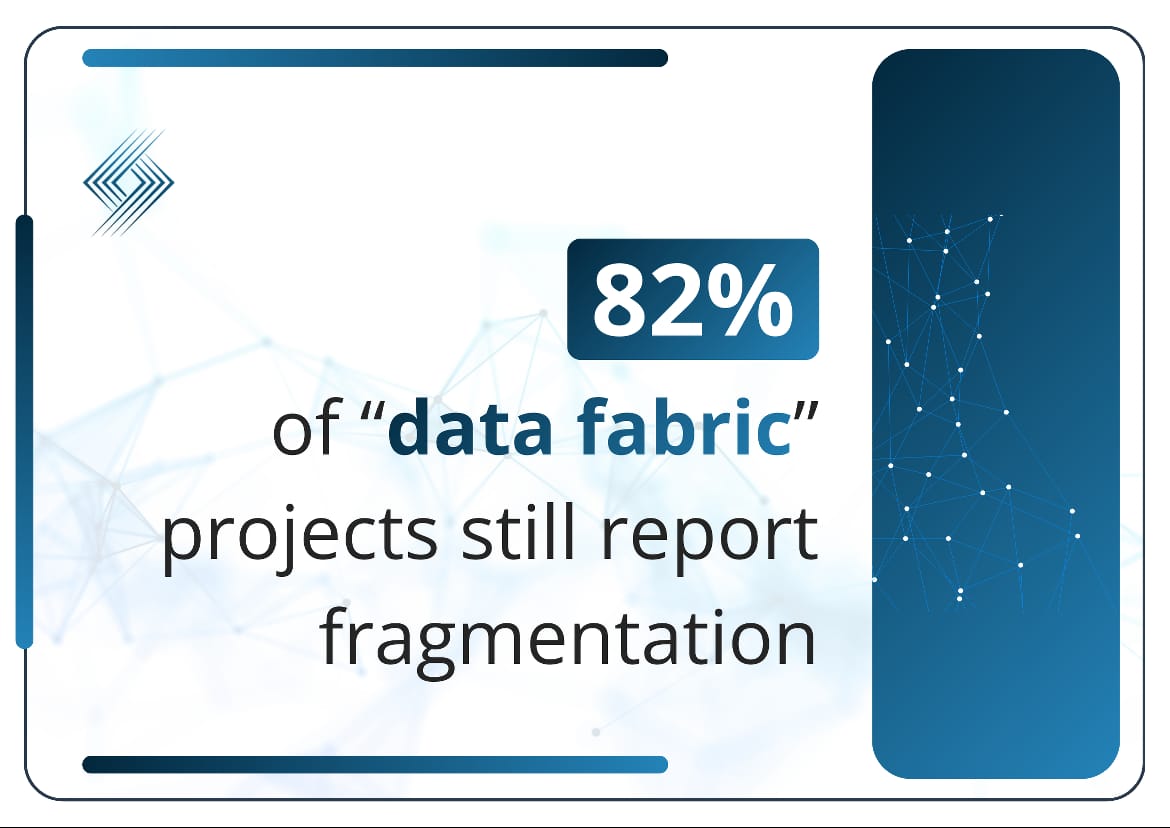
Healthcare companies spend a lot of money on dashboards in the hopes that they would improve patient outcomes, generate insights, and simplify operations. Surprisingly, however, research indicates that 95% of healthcare dashboards fall short of providing significant benefit. Why is that? Let’s dissect it.
Lack of Clarity in Data Overload
The majority of dashboards attempt to display everything, including staffing statistics, billing data, lab findings, patient numbers, and more. The outcome? a complicated and cluttered design that makes it difficult for decision-makers to determine what really matters. Increased data does not equate to increased insight.
Resolution: Pay attention to key performance indicators (KPIs) that support strategic objectives. Just display the factors that influence decisions.
Insufficient Actionable Knowledge
Dashboards frequently show past data in an unguided manner. Clinicians and administrators cannot make decisions based solely on numbers. If there is no understanding of the reason or what to do next, a chart that displays increasing patient wait times is meaningless.
Solution: Incorporate warnings and contextual insights that direct action, such as pointing out bottlenecks or recommending resource reallocation.
Inadequate Data Quality
The adage “garbage in, garbage out” is ideal in this situation. The data that powers dashboards determines how trustworthy they are. Dashboards can be deceptive and annoying due to inconsistent code, missing entries, or delayed updates.
Solution: Make data governance a top priority and guarantee clean, standardized, and real-time data.
The One-Size-Fits-All Method
Finance teams, administrators, and clinicians all have distinct demands. No one is usually satisfied with a single dashboard for all stakeholders, which results in underuse or confusion.
Solution: Create role-specific dashboards based on user requirements. For example, CEOs require financial and operational KPIs, whereas doctors may require patient outcome indicators.
Ignoring the User Experience
If a dashboard is difficult to use or visually overwhelming, it can fail even with superb data. Too many layers, confusing charts, or poor color schemes irritate users and lower interest.
Solution: Use UI/UX best practices to maintain a clean, user-friendly, and mobile-friendly interface.
The Conclusion
A healthcare dashboard is a decision-support tool, not just a numerical display. Your dashboard is essentially worthless if it overwhelms, misleads, or falls short.
The solution is to prioritize user-centric design, useful insights, high-quality data, and clarity. Dashboards have the potential to improve patient care, enhance operations, and save lives when used properly.